Supporting Maternal Health with Medicaid Family Planning Programs

Mother’s Day is a chance to celebrate mothers and mother-figures for who they are and all they do. What better way to honor them than by reflecting on what mothers need to thrive? This year, the call to action to support mothers through policy and advocacy is especially urgent. While the United States faces alarming rates of maternal mortality and morbidity, there are sweeping cuts to federal programs intended to support maternal health. Medicaid, which pays for more than 4 in 10 births in the United States, is facing cuts that are expected to leave more than 10 million Americans uninsured. Funding for Title X, the federal grant program intended to provide low- and no-cost family planning and sexual and reproductive health care to Americans in need, is absent from the White House’s FY 2027 proposed budget, and there are significant cuts to the Title V Maternal and Child Health Services Block Grant that supports Maternal Mortality Review Committees (MMRCs), groups intended to review pregnancy-related deaths and identify prevention opportunities.
In this challenging moment, states are stepping up to protect coverage. In April, Virginia passed a law to improve healthcare access for mothers by increasing access to maternal mental health screenings, expanding Medicaid reimbursements for remote monitoring of pregnant women, and improving processes for understanding maternal health and safety statewide. In March, Wisconsin expanded postpartum Medicaid coverage from 60 days to 12 months. These policy wins remind us that progress is still not only possible but urgently needed. Yet one of the most powerful tools to fill coverage gaps for mothers vulnerable to federal cuts—the Medicaid Family Planning Program (MFPP)—is being overlooked.
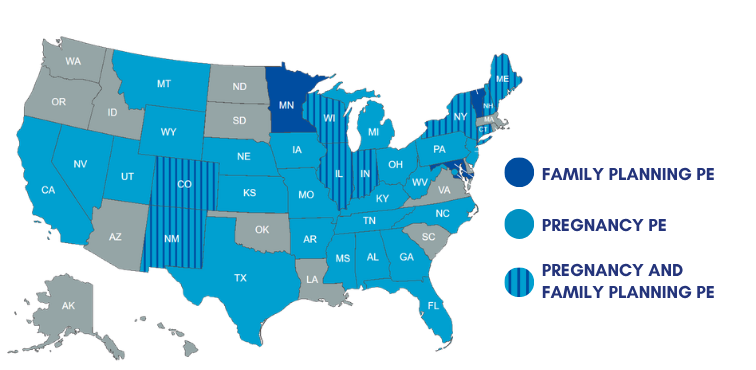
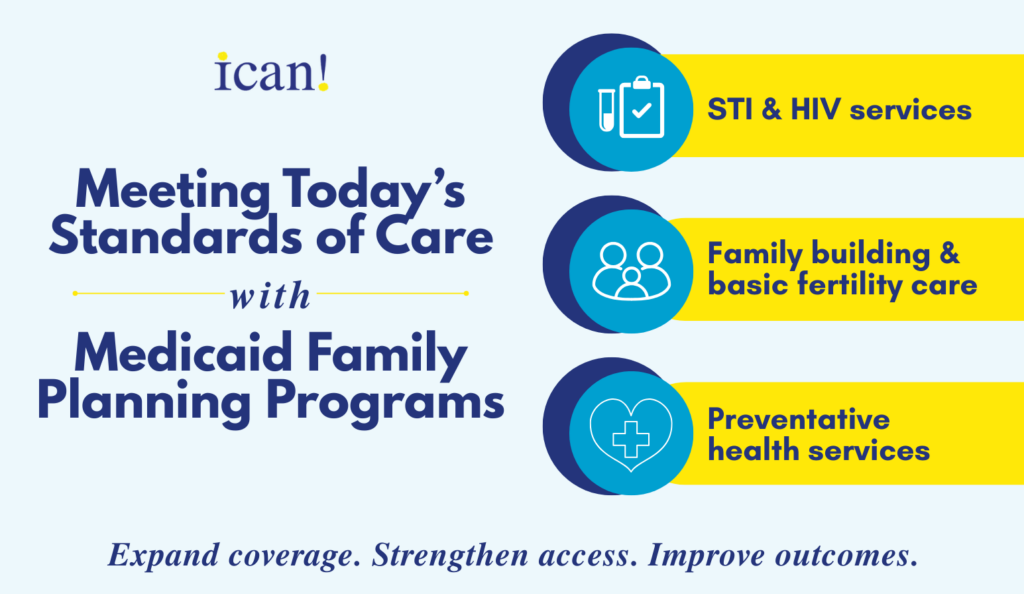
More than thirty states have MFPPs, or partial benefit Medicaid programs that provide people with incomes too high for full-benefit Medicaid coverage with access to no-cost contraception, preconception counseling, STI testing and treatment, HIV prevention including PrEP and PEP, mammograms, pap smears, certain vaccines, annual exams and more. These services can help lay the foundation for healthier pregnancies, healthier moms, and healthier families. Additionally, family planning services provided under MFPPs are matched by the federal government at 90%, making MFPPs one of the most fiscally prudent investments that a state can make to support its communities.
Many women’s first entry point to primary care is a family planning visit. MFPP coverage provides a pathway for people to connect with a provider prior to pregnancy to talk about chronic conditions and learn to manage them, especially if those conditions are likely to lead to pregnancy complications. More than 85% of maternal deaths in the U.S. are preventable, caused by treatable or manageable conditions like hypertensive disorders or mental health conditions.
With forty-nine states plus DC extending Medicaid postpartum coverage from sixty days to 12 months, new mothers can remain connected to care for longer after their pregnancy. This policy change has improved maternal health outcomes nationwide and is a critical step in reducing the United States’ alarmingly high rates of maternal mortality and morbidity. Despite this great step forward, many women become uninsured again at 12 months and 1 day, losing coverage necessary to help them stay healthy and plan for a next pregnancy, or prevent one. Spacing pregnancies at least 18 months apart significantly approves outcomes for pregnant people and infants. Closely spaced pregnancies increase the likelihood of a pregnant person experiencing complications or pregnancy-related health conditions like gestational diabetes and anemia. Pregnancy spacing reduces the risks of preterm birth, and low birthweight. That’s because pregnancy spacing provides the mother with time to heal, replenish nutrients, and manage chronic or pregnancy-related conditions before becoming pregnant again. MFPPs support optimal birth spacing by ensuring access to contraception and related services at no cost until those who want to are ready to become pregnant again.
As we celebrate mothers this weekend, let’s commit to improving policies that support their health, autonomy, and well-being. Strengthening your state’s MFPPs is one powerful way to do that:
- Advocate for your state to automatically consider all individuals rolling off full-coverage Medicaid programs for MFPP eligibility prior to disenrolling them.
- Promote broadening your state’s MFPP covered services to include more preconception care.
- If you work directly with people of reproductive age, make sure they’re aware of MFPP benefits and help them to enroll!
You can learn more about the MFPP program in your state by exploring the interactive MFPP map on icancoverall.org. Then, connect with ICAN! for tailored support adopting, enhancing, or implementing the program. This Mother’s Day and every day, we’re here to help, at no cost to you or your state!
Connect with us!
icancoverall.org